Securing the Lunar Gateway: A Network Architecture Case Study
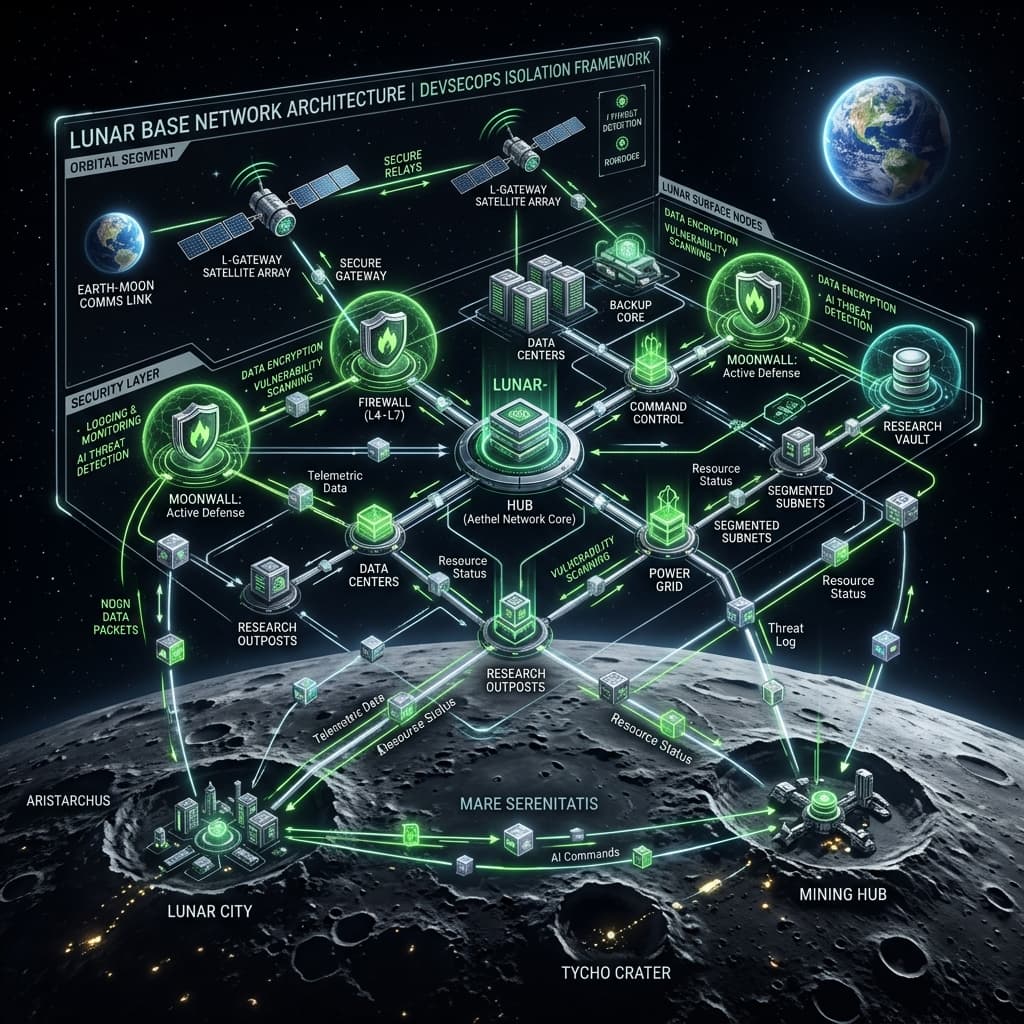
Securing the Lunar Gateway: A Network Architecture Case Study
The Lunar Gateway serves as the critical staging point for deep space exploration. It is a multi-national, multi-agency orbital station that requires unprecedented cooperation. However, when multiple agencies (with varying security standards) connect to the same core network, the attack surface expands exponentially.
In this case study, we examine the Lunar Gateway security posture and how architects implemented a rigid Developer Security isolation framework to protect the station's core functions.
The Challenge of Multi-Tenant Orbital Infrastructure
Unlike a corporate network where a single IT department dictates policy, the Lunar Gateway is a federation. NASA, ESA, JAXA, and private commercial entities all dock their modules and connect their proprietary hardware to the station's central bus.
If a commercial module's IoT sensor array is compromised by a terrestrial botnet before launch, that malware could theoretically pivot through the Lunar Gateway's central bus and infect the primary life-support systems.
Micro-Segmentation in Space
To combat this, the Gateway's network architecture relies heavily on extreme micro-segmentation.
The Air-Gapped Data Diode
Between the commercial modules and the central command bus, architects installed physical data diodes. A data diode is a hardware device that only allows data to travel in one direction. Commercial modules can transmit telemetry to the central bus for monitoring, but it is physically impossible for the central bus to send any executable commands back to the commercial module, preventing a compromised module from receiving C2 (Command and Control) instructions via the core.
Developer Security Isolation Framework
The Developer Security isolation framework deployed on the Lunar Gateway ensures that any software updates pushed from Earth are ruthlessly validated.
- The Quarantine VLAN: When an agency pushes an update from Earth, it lands in a heavily monitored Quarantine VLAN.
- Automated Fuzzing: The update is subjected to automated fuzzing and static analysis within a sandbox environment that mimics the station's exact hardware profile.
- Consensus Promotion: Only if the update passes all security checks and receives cryptographic signatures from at least two partner agencies does it move from the Quarantine VLAN to the production environment.
Conclusion
Securing a multi-national orbital station requires more than just good software; it requires a fundamentally defensive network topology. By enforcing physical data diodes and a strict Developer Security isolation framework, the architects of the Lunar Gateway have created a Lunar Gateway security standard that will protect the future of deep space exploration.
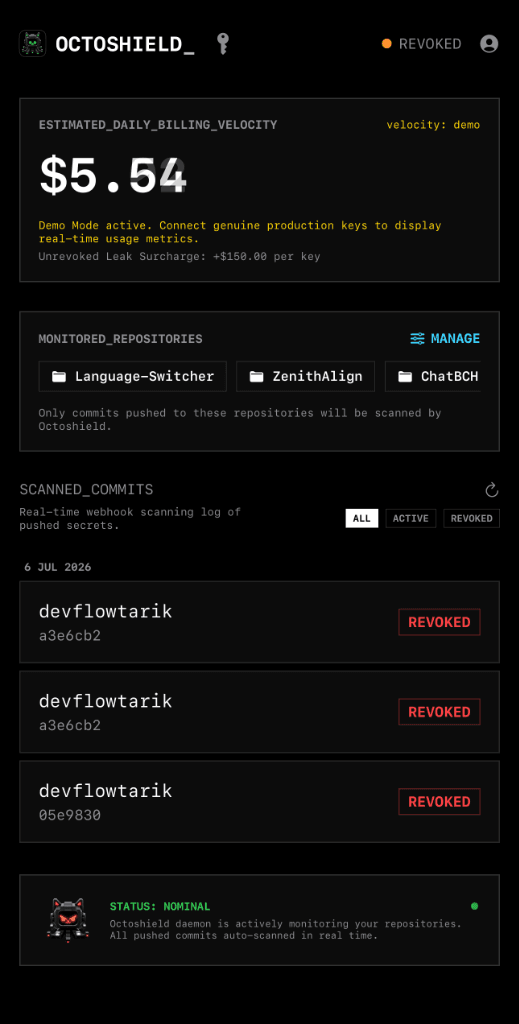
Octoshield in your pocket.
Monitor leaks and manage credentials on the go with our native iOS app.