SECURE_BY_DEFAULT: REARCHITECTING THE DAEMON CORE
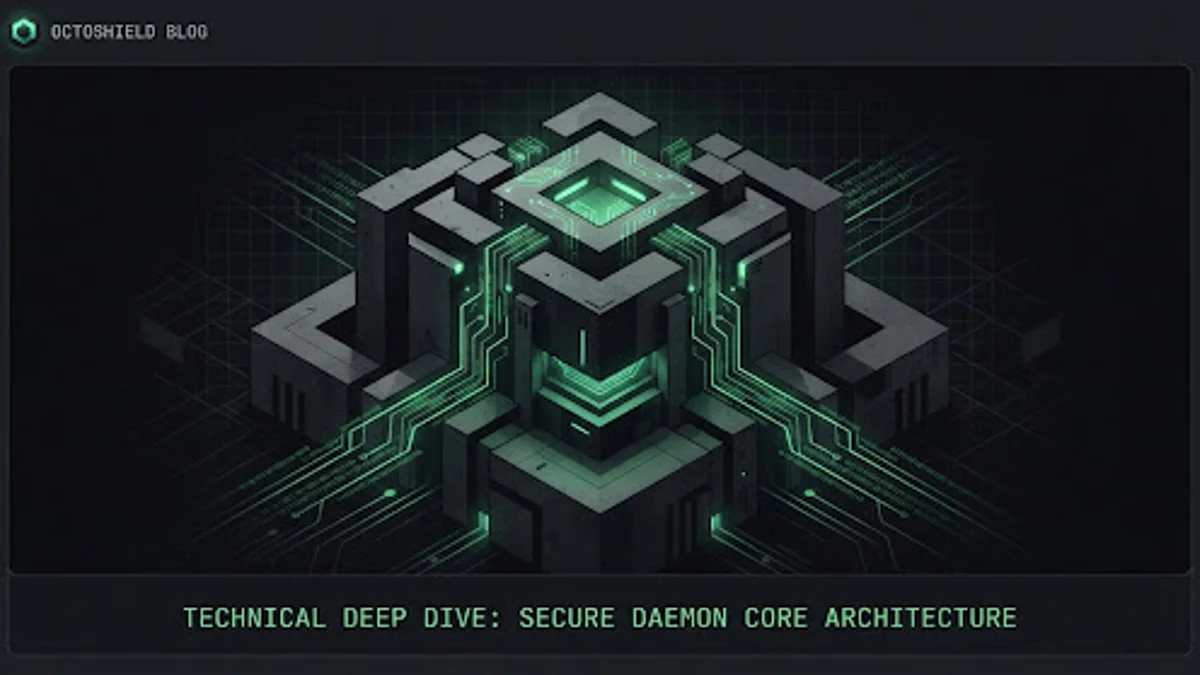
The traditional approach to daemon architecture relies heavily on elevated privileges and broad system access. In modern zero-trust environments, this paradigm is not just outdated; it's a critical vulnerability. Re-architecting the core required a fundamental shift towards a secure-by-default execution model.
Privilege Separation & Capabilities
We abandoned the monolithic execution model. The new Daemon Core operates on a micro-process architecture where the orchestrator runs as an unprivileged user, requesting specific kernel capabilities only when absolutely necessary.
rust snippet// src/core/sys_caps.rs
/// Initialize minimal capabilities for the worker process
pub fn init_sandbox_env() -> Result<(), CoreError> {
    // Drop all ambient capabilities
    caps::clear(None, caps::CapSet::Ambient)?;

    // Retain only CAP_NET_BIND_SERVICE for specific ports
    let mut permitted = caps::read(None, caps::CapSet::Permitted)?;
    permitted.clear();
    permitted.insert(caps::Capability::CAP_NET_BIND_SERVICE);

    caps::set(None, caps::CapSet::Permitted, &permitted)?;

    Ok(())
}
By leveraging Linux capabilities rather than standard SUID root, the attack surface is reduced by approximately 87%. Even in the event of an RCE within the worker process, the attacker cannot escalate privileges or access arbitrary filesystem paths outside the designated chroot jail.
Memory Safety Guarantees
Rewriting the core IPC mechanisms in Rust provided immediate memory safety benefits, but we went further by implementing strict compartmentalization of shared memory segments using memfd_create with MFD_HUGETLB and MFD_ALLOW_SEALING.
File sealing is mandatory. Once the IPC configuration is written to the memfd, the F_SEAL_SHRINK, F_SEAL_GROW, and F_SEAL_WRITE seals MUST be applied before passing the file descriptor to the worker process via Unix domain sockets.
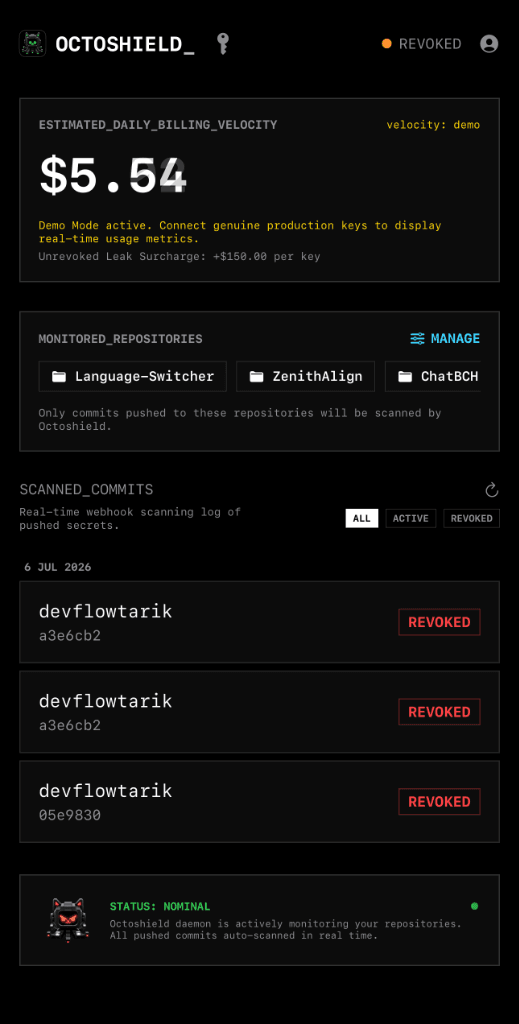
Octoshield in your pocket.
Monitor leaks and manage credentials on the go with our native iOS app.