The Insider Threat in Extraterrestrial Colonies
The Insider Threat in Extraterrestrial Colonies
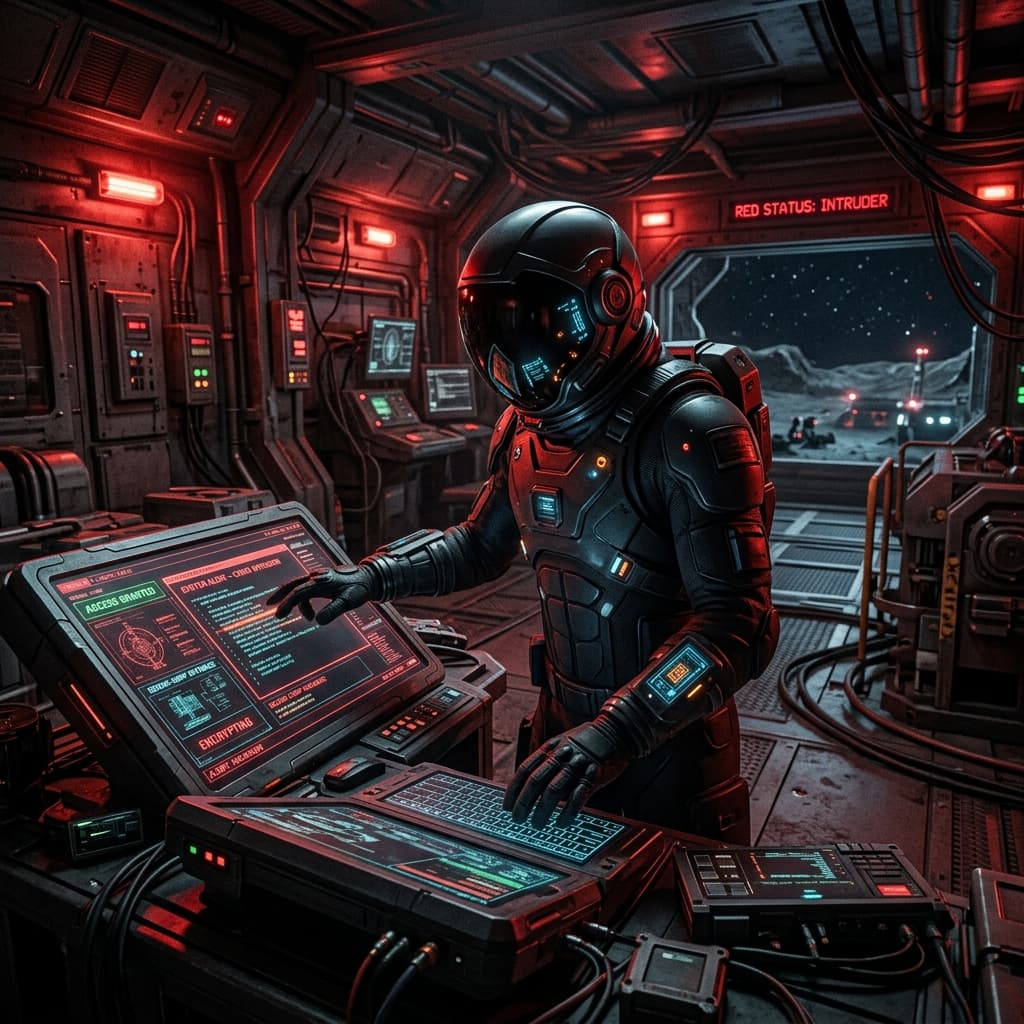
When we imagine threats to off-world colonies, we often think of hostile environments, micrometeoroids, or rogue AI. But historically, the most devastating breaches come from within. The insider threat in extraterrestrial colonies presents a unique challenge: How do you secure critical life-support and gravity systems from the very people trusted to operate them?
In a confined, highly pressurized environment (both literally and psychologically), a compromised employee can cause catastrophic damage.
Psychological Pressures of Deep Space
Extended isolation, radiation exposure, and the sheer vastness of space can induce profound psychological stress on colonists. This psychological degradation can be weaponized by adversarial nation-states back on Earth. A disgruntled engineer with elevated privileges on the atmospheric scrubbers or the colony's central gravity well becomes an existential threat.
1. Privilege Escalation in Life Support
In an emergency, engineers need immediate access to override safety protocols. However, this same access allows an insider to escalate their privileges maliciously. An attacker could quietly alter the CO2 filtration thresholds, causing a slow build-up of hypercapnia that impairs the crew's cognitive functions before they even realize they are under attack.
Just-In-Time (JIT) Orbital Access
To mitigate this, extraterrestrial colonies must enforce strict JIT access. A zero-trust architecture ensures that no user has standing privileges. When an engineer needs to access the gravity core, they request access, which must be mathematically verified by an orbital consensus node. The access is granted for exactly 5 minutes, and every keystroke is cryptographically logged to an immutable ledger on Earth.
Behavioral Analytics and AI Detection
Because physical security is limited (everyone is already inside the secure perimeter of the base), colonies rely heavily on User and Entity Behavior Analytics (UEBA).
If an engineer typically accesses the hydroponics API at 0800 hours, but suddenly attempts to interface with the antimatter containment logs at 0300 hours, the AI immediately flags the anomaly. The system can autonomously quarantine the user's digital access across the entire colony network until the base commander clears the alert.
Conclusion
The vastness of space amplifies the danger of a single rogue actor. By implementing paranoid zero-trust models, JIT access, and aggressive behavioral analytics, we can neutralize the insider threat in extraterrestrial colonies before it threatens the survival of the mission.
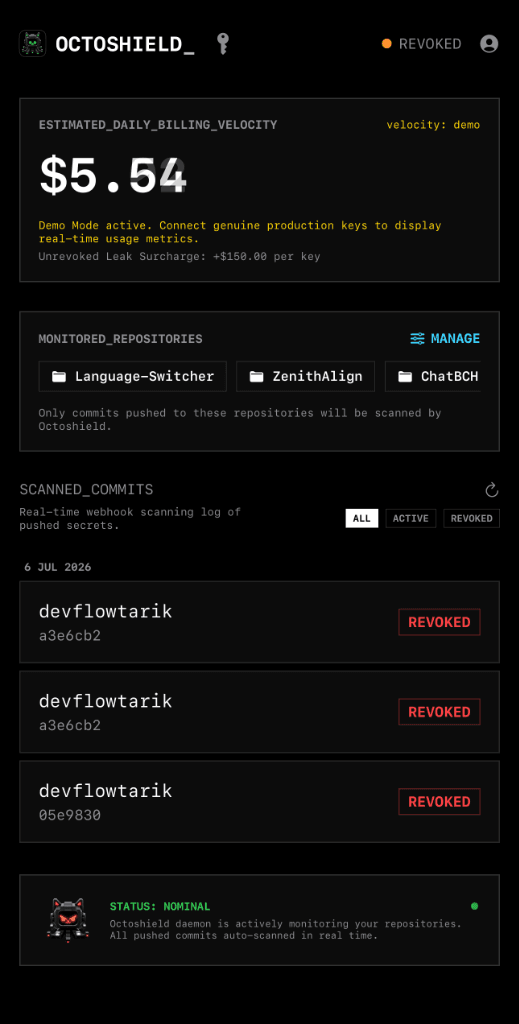
Octoshield in your pocket.
Monitor leaks and manage credentials on the go with our native iOS app.