Hardening the Intergalactic Supply Chain Against APTs

Hardening the Intergalactic Supply Chain Against APTs
In the terrestrial software world, a supply chain attack (like the SolarWinds breach) can compromise thousands of companies. In the orbital infrastructure world, a supply chain attack could result in the deployment of compromised atmospheric regulators to a newly terraformed colony, asphyxiating millions.
The stakes demand a paradigm shift. This post explores the reality of securing space APT vulnerabilities and the ruthless methodologies required for hardening intergalactic supply chains.
The Scope of the Problem
The supply chain for a modern stellar cruiser involves millions of components, both hardware and software, sourced from dozens of different planetary systems and orbital manufacturing hubs. Advanced Persistent Threats (APTs)—often state-sponsored hacking groups—target the weakest links in this chain.
They don't attack the heavily fortified shipyard; they compromise the small, third-party vendor that writes the firmware for the vessel's internal LED lighting system. Once that firmware is installed on the ship, the malware pivots from the lighting sub-network to the central command bus.
Hardware Trojans
While software supply chain attacks are common, hardware trojans are the ultimate nightmare in space. An APT might infiltrate a semiconductor foundry on a remote moon and slightly alter the photolithography masks for a batch of microprocessors. They can introduce a dormant hardware backdoor that cannot be detected by any software scanner, designed to trigger only when the processor receives a specific sequence of cosmic radiation.
The SBOM and the HBOM
Every piece of equipment destined for space must carry a cryptographically signed Software Bill of Materials (SBOM) and a Hardware Bill of Materials (HBOM). Before a part is integrated into a ship, an automated Developer Security pipeline verifies the signatures of every single transistor and line of code against a decentralized orbital ledger. If the cryptographic hash of a microprocessor does not match the foundry's original signature, the part is instantly rejected and flagged for kinetic destruction.
The "Build It In Space" Solution
To ultimately defeat these APTs, organizations are moving toward orbital isolationism. Instead of shipping completed microchips from Earth (where they can be intercepted or tampered with during transit), they ship raw materials.
Using advanced orbital 3D printing and automated zero-gravity foundries, the ships and their critical components are manufactured directly in space. The CAD files and software are transmitted to the orbital foundry via Quantum Key Distribution (QKD), ensuring they cannot be tampered with en route.
Conclusion
Securing the supply chain is no longer just about auditing vendors. Hardening intergalactic supply chains against securing space APT vulnerabilities requires cryptographic ledgers, zero-trust hardware integration, and the capability to manufacture critical infrastructure in absolute, orbital isolation.
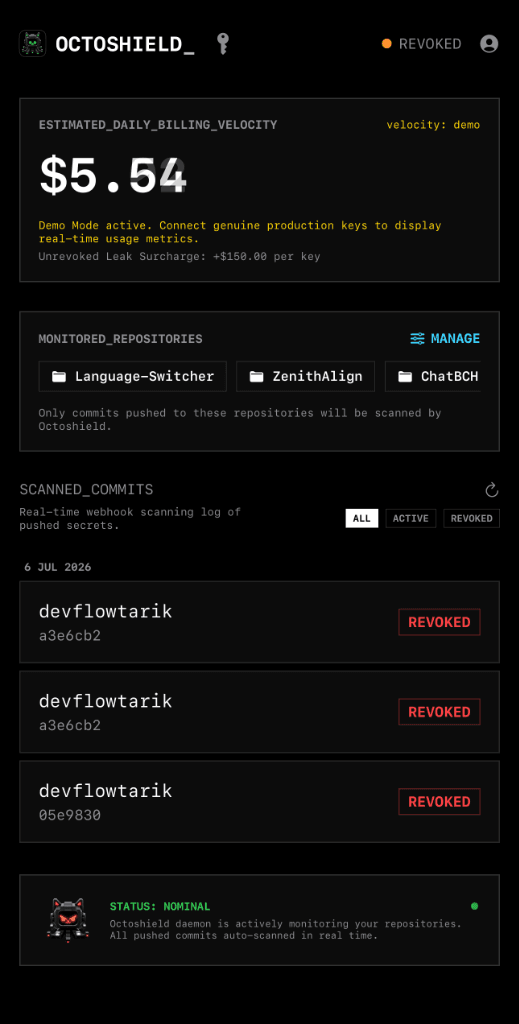
Octoshield in your pocket.
Monitor leaks and manage credentials on the go with our native iOS app.